

At a Glance
Founded
2014
Headquarters
Columbus, Ohio
Locations
15 clinics across Ohio and Indiana
Annual Patient Visits
~180,000
Staffing
45 physicians, 120 nurses, 200 support staff
Services
Walk-in care, x-ray & lab services, occupational health, family medicine support
Introduction
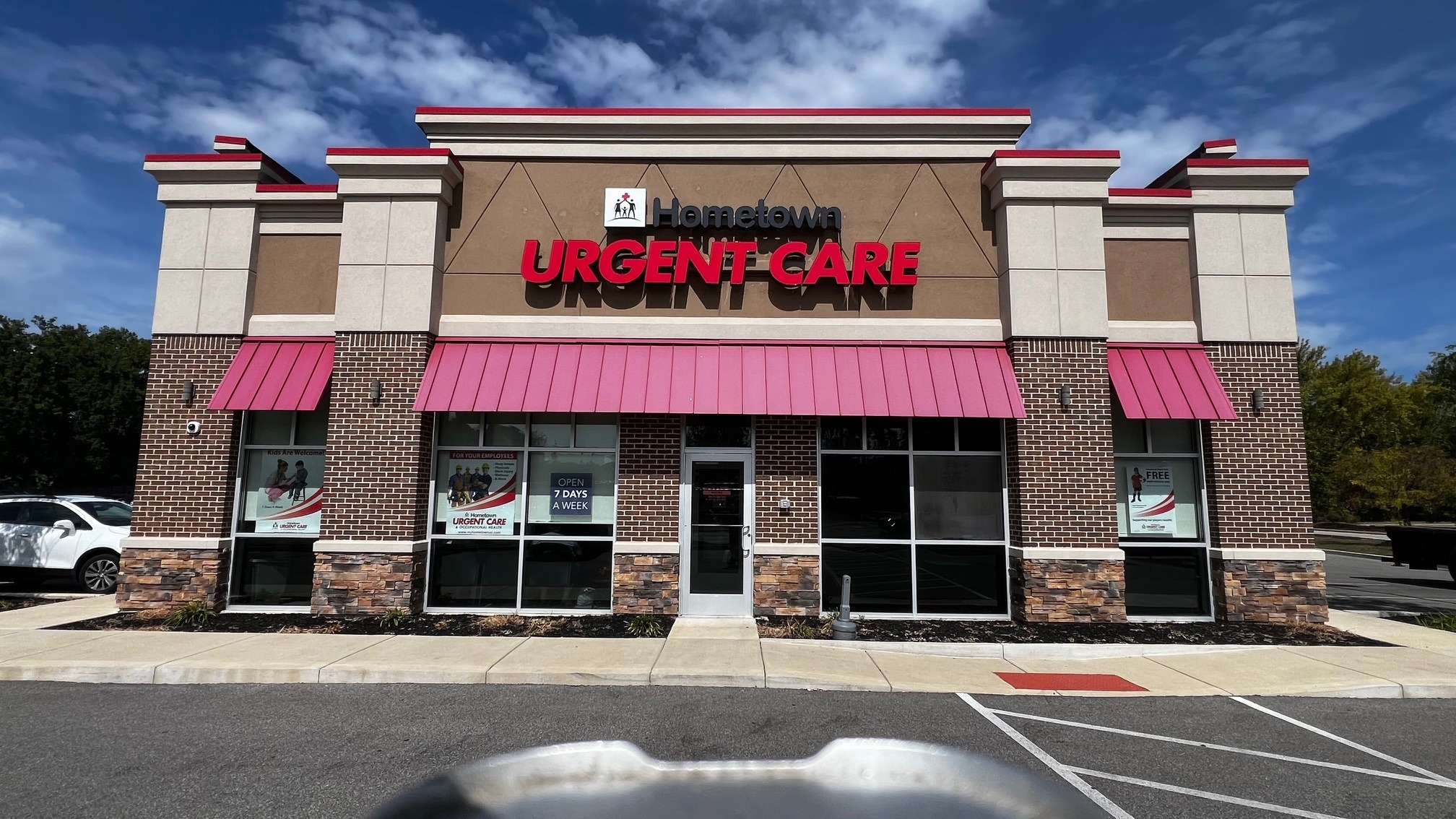
MyHometown Urgent Care operates a network of 15 clinics across Ohio and Indiana, serving approximately 180,000 patients annually with a staff of 45 physicians, 120 nurses, and 200 support personnel.
Managing healthcare environments presents unique challenges: maintaining patient comfort, adhering to strict compliance regulations, ensuring operational efficiency, and preventing risks that could disrupt care delivery.
Facing rising utility costs, inconsistent temperature control, and water-damage incidents across multiple sites, MyHometown Urgent Care turned to Raedius for a comprehensive smart facility management solution.
Key Challenges
-
Rising Utility Costs
Escalating energy and water expenses across 15 locations were impacting operational budgets without clear visibility into consumption patterns.
-
Inconsistent Temperature Control
Fluctuating temperatures in patient areas created comfort issues and risked non-compliance with healthcare regulations.
-
Water-Damage Incidents
Unpredictable leaks were causing equipment damage, facility downtime, and potential risks to patient care and medical supplies.
-
Security Concerns
Monitoring access to restricted areas across multiple locations was resource-intensive and inconsistent.
Objectives
Ensure Patient Comfort
Maintain stable, compliant temperature levels across all patient care areas, waiting rooms, and medical storage facilities.
Reduce Operational Risks
Minimize risks of equipment damage and facility downtime due to undetected leaks and water issues.
Improve Security
Enhance operational security with better monitoring of access to restricted areas and sensitive patient information.
Streamline Management
Create centralized monitoring and control capabilities to reduce manual checks and improve operational efficiency.
Solutions Implemented
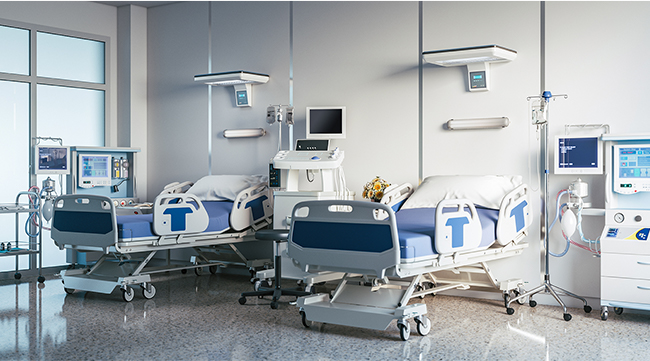
Temperature Monitoring & Control
- Deployment of temperature sensors throughout patient rooms, waiting areas, and storage facilities
- Integration of smart thermostats for centralized control across all locations
- Ability to lock down temperature settings to prevent manual tampering, ensuring compliance with healthcare regulations
- Automated alerts for temperature deviations outside specified ranges

Leak Detection
- Installation of leak sensors in critical areas (restrooms, labs, storage for medical supplies)
- Automated alerts via Raedius platform to prevent water damage and facility shutdowns
- Prioritized alerts based on location criticality and potential impact on patient care
- Historical tracking of water events to identify problem areas across facilities

Door Sensors & Security
- Door sensors installed at staff-only entrances, storage rooms, and patient-sensitive areas
- Real-time notifications for unauthorized access attempts or doors left ajar
- Integration with access control systems for comprehensive security monitoring
- Activity logs to support compliance with healthcare privacy regulations
Implementation Process
Assessment
Identifying high-risk areas including temperature-sensitive rooms, water sources, and restricted access points across all 15 facilities.
Deployment
Phased installation of sensors, thermostats, and integration with the Raedius platform across all locations over a 6-week period.
Training
Staff training sessions for facility managers and administrators on using the Raedius dashboard for monitoring and response protocols.
Go-Live & Optimization
Full system activation with ongoing optimization of alert thresholds, reporting frequency, and automated rules based on facility-specific needs.
Results & Impact
Utility Cost Reduction
Temperature Stability
Reduced variance in patient care areas by 75%, ensuring consistent comfort and regulatory compliance.
Risk Reduction
Early detection prevented 23 potential water damage incidents, saving an estimated $120,000 in repairs and downtime.
Security Enhancement
32% reduction in unauthorized access incidents with real-time door monitoring and alerts.
Operational Efficiency
Facility management staff saved 12+ hours weekly with centralized monitoring replacing manual checks.
Business & Patient Benefits
Improved Patient Experience
Consistent climate control in waiting and treatment areas enhanced overall patient comfort during visits, contributing to higher satisfaction scores.
Regulatory Compliance
Automatic temperature logging and audit trails simplified compliance reporting, reducing preparation time for inspections by 65%.
Cost Savings
22% reduction in utility costs and avoided downtime from preventable maintenance issues delivered an ROI within 8 months.
Focus on Patient Care
With automated facility monitoring, clinical staff could redirect their attention from environmental concerns to patient care activities.
Future Plans
-
System Expansion
Rolling out the Raedius system to 5 newly acquired urgent care centers in Kentucky, with standardized implementation protocols.
-
Insurance Integration
Working with insurance providers to leverage Raedius data for potential premium reductions by demonstrating proactive risk management.
-
Predictive Analytics
Implementing predictive maintenance scheduling based on usage patterns and system performance data to further reduce operational disruptions.