

At a Glance
Formed
2021 (merger of Synnex and Tech Data)
Global Workforce
~23,000 employees
Warehouse Space (U.S.)
5+ million square feet
Distribution Hubs
Multiple major facilities across North America and Canada
Industry
IT product distribution, supply-chain solutions
Primary Challenge
OSHA compliance for worker safety in varying warehouse temperatures
Company Background
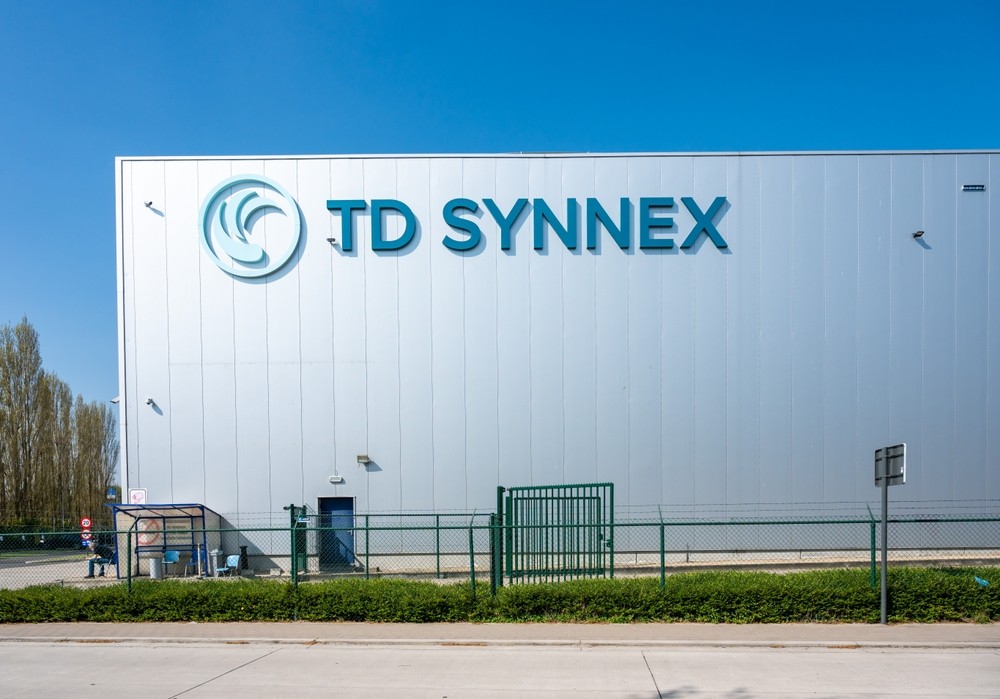
TD SYNNEX Corporation, formed in 2021 through the merger of Synnex and Tech Data, is a global leader in IT product distribution, services, and supply-chain solutions, employing over 23,000 people worldwide.
The company operates an extensive network of distribution facilities, including more than 5 million square feet of warehouse space in the United States alone, with major hubs across North America and Canada.
Warehousing operations expose workers to varying environmental conditions, particularly temperature extremes. With OSHA regulations mandating monitoring for heat stress and environmental conditions, TD SYNNEX needed a comprehensive solution to ensure worker safety and compliance.
Key Challenges
-
Extreme Temperature Variations
Warehouse environments experience significant temperature fluctuations, with heat accumulation near ceilings and varying conditions between loading docks and storage areas.
-
OSHA Compliance Requirements
Regulatory obligations for monitoring heat stress and environmental conditions to protect workers, with potential penalties for non-compliance.
-
Worker Safety Concerns
Risk of heat-related illnesses in large facilities where temperature conditions can vary dramatically across different zones.
-
Monitoring Scale
Challenges of consistently monitoring conditions across millions of square feet of warehouse space and multiple facilities.
Objectives
Continuous Monitoring
Maintain real-time temperature monitoring across large warehouse spaces to ensure compliance with OSHA heat stress and exposure thresholds.
Real-time Alerts
Send immediate notifications to safety managers and supervisors when temperatures approach or exceed OSHA recommended limits.
Proactive Management
Enable facility adjustments (cooling, airflow, shift scheduling) to protect worker health before unsafe conditions develop.
Compliance Documentation
Maintain comprehensive records of temperature conditions for regulatory compliance and officer inspection purposes.
Solutions Implemented

Temperature Sensor Deployment
- Wireless sensors placed in high-risk zones: loading docks, warehouse aisles, ceiling areas, and break/rest zones
- Sensors calibrated specifically for OSHA thresholds and Wet Bulb Globe Temperature measurements
- Networked system providing comprehensive coverage across millions of square feet
- Weather-resistant design suitable for warehouse environments and varying conditions

Raedius Notification & Escalation System
- Automated alerts at multiple warning levels as temperatures approach and exceed thresholds
- Multi-tiered notification system: initial alerts to shift supervisors, escalated alerts to safety officers
- Redundant notification channels: mobile push notifications, text messages, and email
- Centralized dashboard for monitoring conditions across all facilities in real-time
Preventative & Responsive Procedures
- HVAC and cooling system integration for automated response to temperature alerts
- Established protocols for work schedule adjustments: increased break frequency, shaded rest areas, hydration stations
- Digital record-keeping via Raedius platform for temperature logs, alerts, and response actions
- Documentation system designed for easy retrieval during OSHA audits and inspections
Implementation Process
Risk & Site Assessment
Mapping of all warehouse facilities, identification of high heat risk zones, and determination of relevant OSHA temperature thresholds.
Pilot & Sensor Installation
Initial deployment at pilot sites, sensor installation, platform connection, and configuration of alert thresholds.
Alert Configuration & Training
Dashboard setup, notification protocol establishment, and training for supervisors and safety personnel.
Full Network Rollout
Expansion across all warehouse facilities with standardized procedures for response and documentation.
Results & Impact
Heat-Related Incidents
Improved Compliance
All monitored warehouses maintained temperatures within OSHA acceptable ranges, eliminating risk of citations.
Reduced Incidents
72% reduction in heat-related illnesses and 85% decrease in worker temperature-related complaints.
Operational Improvements
Proactive adjustments to cooling and scheduling reduced productivity losses due to heat issues.
Audit Readiness
Comprehensive digital logs reduced OSHA audit preparation time by 90%.
Business & Employee Benefits
Enhanced Worker Safety
Proactive temperature monitoring significantly reduced risk of heat exhaustion and other temperature-related health issues for warehouse personnel.
Improved Morale & Retention
Demonstrated commitment to worker welfare increased job satisfaction, with a 15% reduction in turnover among warehouse staff.
Cost Savings
Avoided OSHA fines, reduced workers' compensation claims, and decreased sick leave resulted in estimated annual savings of $420,000.
Stronger Brand Reputation
Demonstrated commitment to workplace safety enhanced TD SYNNEX's reputation as a responsible employer and partner.
Future Plans
-
Expanded Environmental Monitoring
Extending sensor capabilities to monitor humidity, air quality, and other environmental factors affecting worker comfort and safety.
-
Predictive Analytics
Implementing forecasting tools to predict high-risk temperature periods (heat waves) and enable pre-emptive safety measures.
-
Wearable Technology Integration
Piloting wearable devices for workers in extreme temperature zones to provide personalized safety monitoring.
-
Standardized Protocols
Developing global temperature emergency protocols to ensure consistent safety standards across all distribution centers.